
MATTRESSES
Frequently Asked Questions
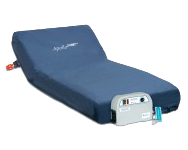
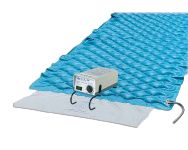
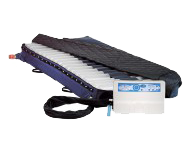
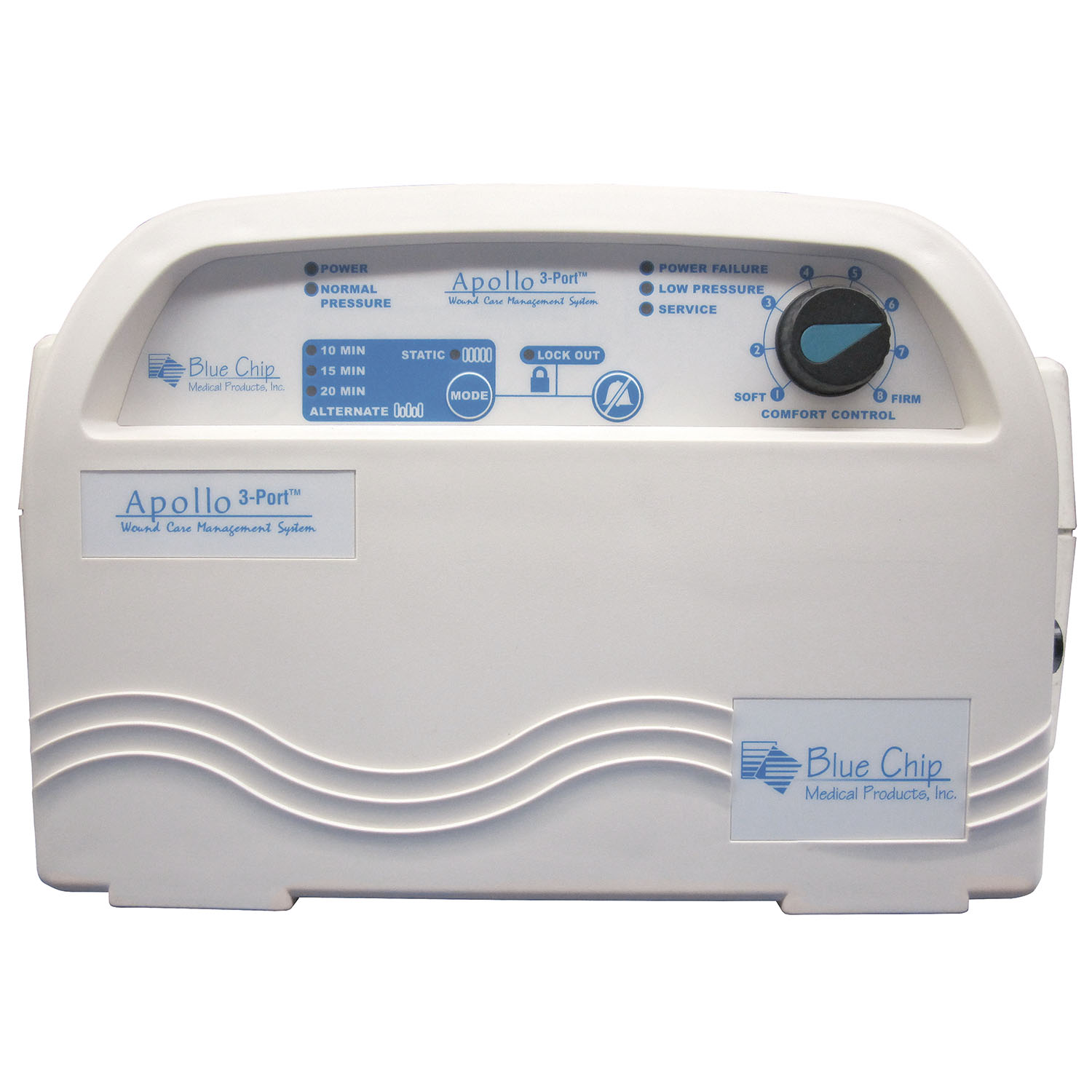
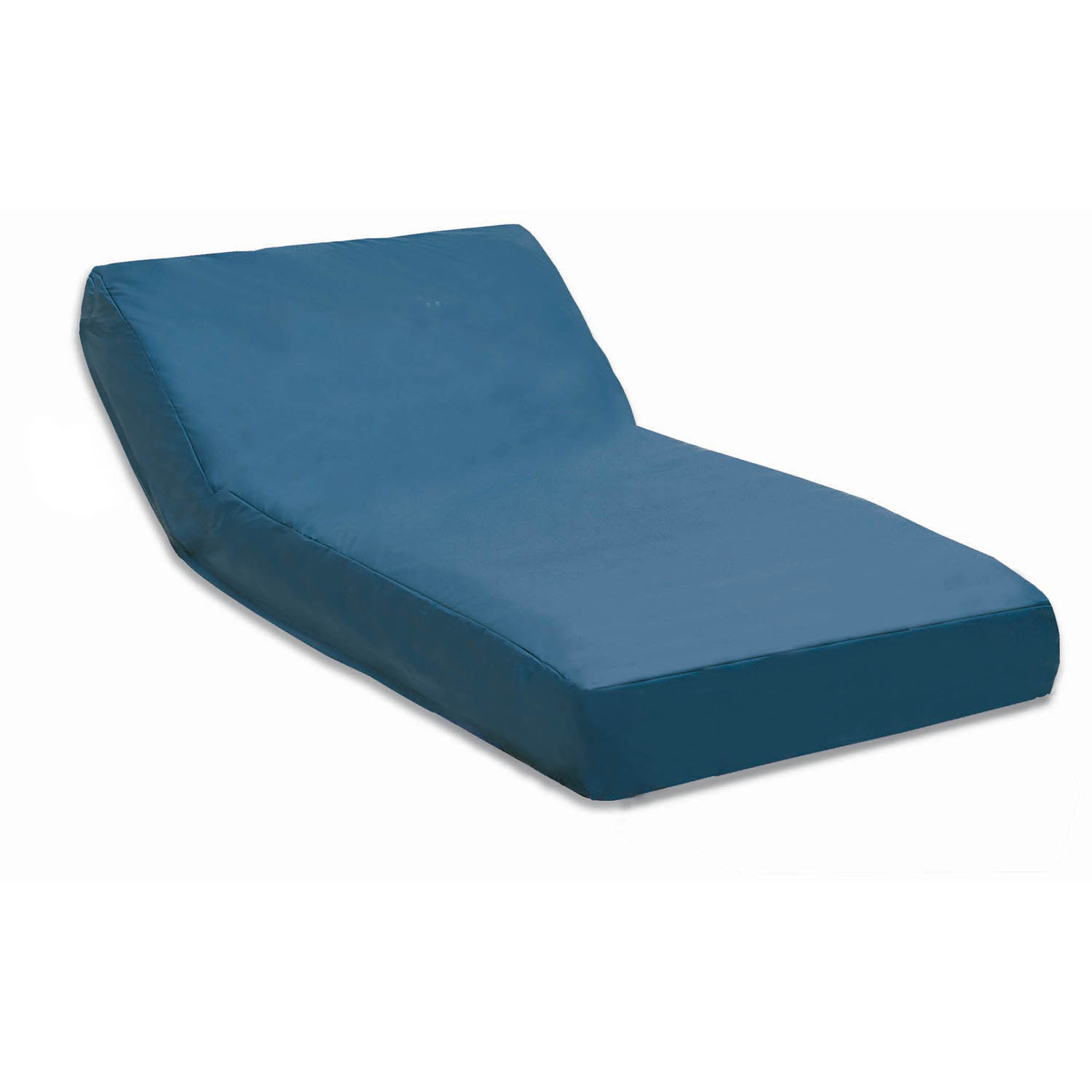
An alternating pressure mattress is a therapeutic support surface designed with air-filled chambers that cyclically inflate and deflate in controlled patterns. This continuous movement shifts pressure points, helps minimize sustained tissue loading, enhances patient comfort, and supports healthy circulation. These systems are widely utilized in hospitals, long-term care facilities, rehabilitation settings, and home care environments for both the prevention and management of pressure injuries. Many advanced models also incorporate low air loss technology to assist with microclimate management by reducing heat and moisture at the skin interface.
An alternating pressure air mattress is designed to lower the risk of pressure injuries by continuously shifting load through programmed air-cell inflation and deflation cycles. This dynamic pressure redistribution reduces prolonged compression of soft tissue and promotes healthy blood flow. When incorporated into a broader clinical protocol that includes routine repositioning and ongoing skin assessment, these systems play an important role in minimizing tissue breakdown and supporting wound prevention.
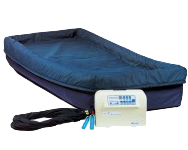
A low air loss mattress is engineered to deliver a steady flow of air across the patient surface to help regulate temperature and control moisture at the skin level. In contrast, an alternating pressure system uses programmed inflation and deflation cycles to periodically shift weight and relieve sustained pressure points. More sophisticated therapeutic surfaces may integrate both technologies, providing dynamic pressure relief along with effective microclimate control in a single system.
Medical air support surfaces are particularly appropriate for individuals with restricted mobility or those identified as high risk for developing pressure injuries. They are widely utilized in acute-care hospitals, skilled nursing facilities, VA centers, and residential care settings. These systems are indicated for both preventive use and the management of wounds ranging from early-stage skin compromise to complex, advanced pressure injuries (Stage I - Stage IV). Options are available in multiple standard sizes, as well as expanded bariatric models to accommodate higher weight capacities.
When used as part of a comprehensive pressure injury prevention program, alternating pressure with low air loss support surfaces provide dynamic pressure redistribution and are supported by clinical evidence demonstrating a reduction in pressure injury occurrence. Outcomes are optimized when the appropriate support surface is selected for the patient’s clinical condition, properly installed and managed, and combined with consistent repositioning schedules and diligent skin care monitoring.
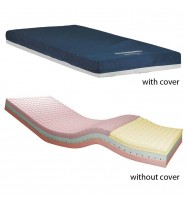
A surface intended to reduce the risk of pressure injuries relies on active pressure management rather than traditional static foam construction. Alternating pressure technology continually shifts load across the support surface, limiting extended tissue compression regardless of whether the patient is mobile. Many systems also assist with temperature and moisture regulation to support a healthier skin environment. Adjustable settings allow caregivers to tailor immersion, support, and comfort according to the patient’s weight, body profile, and clinical needs.
Yes. Alternating pressure air systems are frequently utilized in home care as well as skilled nursing and long-term care settings to help prevent and manage pressure injuries. They are appreciated for delivering ongoing, automated pressure relief without requiring constant manual adjustments by a care giver. These therapeutic surfaces are often chosen for those who have reduced mobility, at high risk of developing a pressure injury or have a Stage I - IV or complex advanced wound.
Alternating pressure support surfaces are manufactured to accommodate varying patient weight requirements, typically ranging from standard capacities around 350 pounds to bariatric configurations supporting up to approximately 1,000 pounds. Bariatric models are purpose-built to preserve consistent pressure redistribution performance and structural durability under increased load demands. While most systems operate using a traditional compressor-driven pump, higher-capacity bariatric designs often incorporate high-output air blowers to deliver the airflow volume necessary for enhanced weight support.
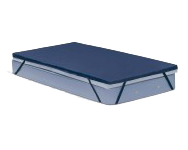
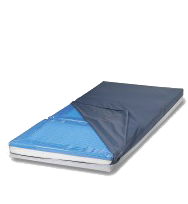
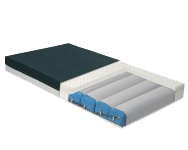
Comforts Best offers the highest quality therapeutic medical mattresses at 30% - 50% less. Alternating Pressure Mattresses, Low Air Loss Mattresses, Therapeutic Foam Mattresses, Medical Mattresses, Gel Mattress Overlays and More!
We have a complete selection of medical mattress that Prevent or Treat Stages I-IV Pressure Ulcers: Alternating Pressure Mattresses with Low Air Loss, Bariatric Mattresses, Lateral Rotation Mattresses, Special Needs & Custom Mattress that support weights up to 1,000 lbs and more. Every mattress and overlay meets our strict guidelines for durability, reliability, performance and value. All systems are in-stock and ready for immediate shipment and quick delivery.
Have questions? Call us for Expert Advice.